

Home Detox From Alcohol
Modern living often means that it's difficult to take time out of work and family commitments to detox at an alcohol rehab facility. Because of this, a lot of people opt to do a home detox from alcohol.
However, this method could be risky, particularly for those who suffer from severe alcohol dependence. The withdrawal symptoms can be dangerous and can even be fatal in certain cases.
Tapering
It is crucial to cut back your alcohol consumption if are an alcohol addict. This process lets you gradually reduce your alcohol consumption without experiencing withdrawal symptoms. This can aid in developing positive thinking and the conviction that it is possible to stop drinking forever. private alcohol detox is recommended to work your way down to softer alcohol drinks such as beer or wine. This will stop you from getting a hangover, which can be dangerous for people with addictions.
During the detox phase it is essential to develop a tapering schedule that will be easy for you to adhere to. This can be difficult, especially when your cravings or withdrawal symptoms are making you to struggle. But, you can try to distract yourself from other things. You could, for instance pursue a passion or join a social group. You can also eat healthier foods and get enough sleep. This will help you to more effectively manage your impulses and handle cravings.
Avoid eating sugary foods and caffeine-containing drinks during detox. These foods can make it more difficult to stop drinking and increase withdrawal symptoms. Consume protein-rich foods like fish vegetables, fruits and lean meat as well as plenty of water. It is also recommended to take a multivitamin, thiamine and Melatonin to fight alcohol withdrawal and insomnia.
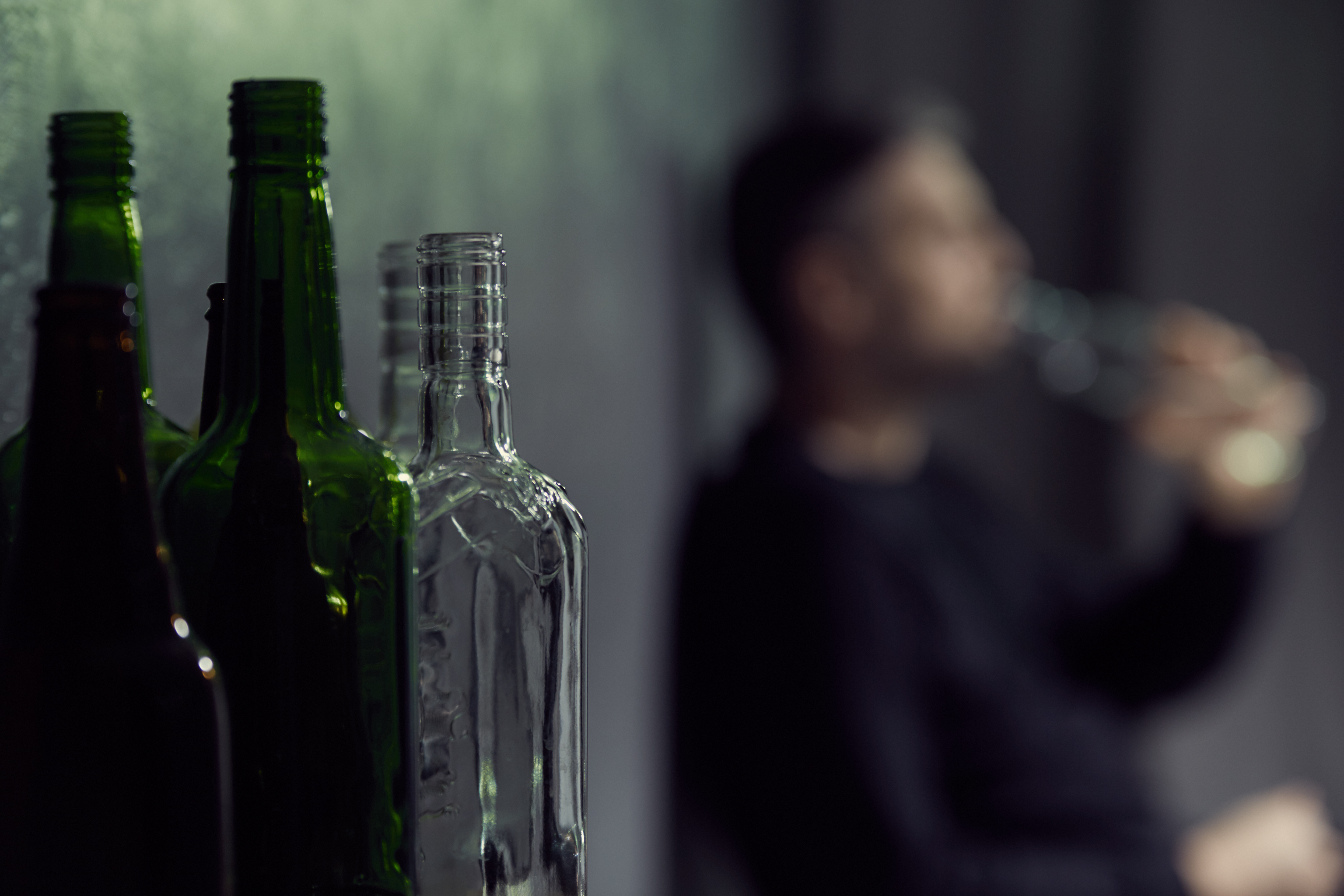
If alcohol home detox uk suffer from a serious case of alcoholism, you should never try to detox at home. This is because it may cause dangerous withdrawal symptoms like seizures and delirium of tremens. It is also not safe for those with underlying medical ailments or who have tried to detoxify before. Instead, you should seek medical treatment in a controlled environment.
Keeping busy
If you're trying to stop drinking, it's crucial to stay busy to avoid temptation. Exercise, a healthy diet, and plenty of sleep are all good suggestions. You should also hydrate in order to avoid alcohol withdrawal, which can cause dehydration. In addition, you can take toxin-fighting vitamins and minerals to aid in the process of detox. These steps will make you feel better and it will be easier to stay sober.
Get rid of alcohol in your home as well to keep away from the temptation. The process of reducing your alcohol intake will help you deal with cravings and lessen withdrawal symptoms. Keep a list of sober groups and friends can be reached in case you experience withdrawal symptoms.
It is crucial to remember that detoxification is only one stage in the process of recovery. It is essential to adopt an holistic approach that includes group therapy, counseling and support groups. Be patient and recognize that this process may take some time.
If you're thinking about getting rid of alcohol at home, it's recommended to speak with a medical professional first. They can determine whether a home detox is safe for you, and recommend the most effective drugs to help reduce withdrawal symptoms. They can also help you in establishing an appropriate detox plan that fits your lifestyle and goals. They can also recommend you to a treatment facility for further evaluation and support. They can also assist you to develop a comprehensive plan for recovery that allows you to sustain sobriety.
Eating alcohol detox center balanced diet is essential for detoxification of alcohol at home. It can help replenish the deficiencies in nutrients, which could make withdrawal symptoms worse. A healthy diet should include foods that offer slow-release energy protein, essential minerals and vitamins. It should be free of salt, sugar and fat.
Alcohol withdrawal can affect some of the brain's chemicals that regulate mood and appetite. This can result in cravings for sweets and junk food. These comfort foods can temporarily boost mood, but they can also cause withdrawal symptoms to worsen. A healthy diet can aid in alcohol detoxification by improving mood and decreasing cravings for unhealthy food.
A healthy diet for detoxing from alcohol should include diverse vegetables and fruits, lean proteins and whole grain. It should also contain lots of fluids. It is important to drink lots of water during alcohol detox, as it can help prevent dehydration. Water also assists in flushing toxins from the body and replenish fluids lost through withdrawal from alcohol. Avoid caffeinated drinks like coffee and tea, since they can worsen dehydration.
In addition to drinking plenty of fluids in addition, you should consume foods which are high in electrolytes, like magnesium and potassium. These nutrients are important for the health of your nervous system and muscles. They are also essential for proper blood circulation and to regulate your heart rate. These nutrients can be found in bananas, avocados spinach nuts, kale, kale, and kale.
Another helpful food for alcohol detox is cayenne pepper. This spice can ease nausea and acts as an effective pain reliever. It releases endorphins which can make you feel happy. It can be added to food or as an addition.
Sleeping enough is essential.
Sleeping enough is crucial if you're trying to detoxify from alcohol at home. This is because insomnia is a frequent withdrawal symptom. Insomnia can make you lose control and focus on your impulses. This could increase the chance of the relapse.
A restful night can also reduce alcohol cravings. A balanced diet that is full of protein can aid in sleeping better. A diet rich in protein can stabilize your blood sugar levels and decrease alcohol cravings. Try to eat foods such as edamame, eggs, lentils chicken, and lean beef. You can also drink bone broth if you do not feel up to eating a meal that is solid.
You should also refrain from drinking or taking other drugs while trying to detox from alcohol. When you are experiencing withdrawal, using any other substance can cause serious health issues. In addition, drinking can slow down your detox from alcohol making the process more difficult.
In the case of withdrawal from alcohol, it's crucial to take a daily multivitamin supplements. This will ensure that you are getting adequate amounts of vitamins and nutrients. You can also take the supplement thiamine to lessen the risk of Wernicke's Encephalopathy. The supplement can be taken either orally or intramuscularly, based on your preference.
When you are undergoing withdrawal from alcohol, you should also avoid people who encourage or permit you to drink. They can make your alcohol detox more difficult and lower the chance of success. They can cause you to feel ashamed or embarrassed, which is not beneficial for your recovery. Also, you should avoid processed foods as they can interfere with your detox.
Support is available
Getting help during the detox process is essential for a successful home alcohol detox. The support of family and friends can assist you in overcoming cravings and remain sober. It is also recommended to seek the advice of a physician. A doctor can help you create a treatment plan for addiction. They will also prescribe medications to aid in managing withdrawal symptoms. They might suggest Acamprosate or Naltrexone. These drugs will help you stay sober after you have completed your detox at home.
The withdrawal from alcohol can be painful and even dangerous, particularly for those who are dependent on alcohol. Based on the severity of your addiction you might experience symptoms like seizures and heart rhythm disturbances. These issues can be fatal. However, you can detox from alcohol at home with easy steps.
The first step is to remove all alcohol from your home. This can be difficult, but it's essential to your recovery. Drinking fluids and water is important because alcohol withdrawal can cause dehydration. It's also best to avoid sugary drinks and caffeinated beverages that can aggravate your withdrawal symptoms.
It's important to stay busy and to seek assistance from family and friends. You can also call the DrugInfo confidential and free hotline or join a support group. Additionally, you should be wary of those who bring up your drinking habits and keep you occupied when you're going through withdrawal. It's important not to go out on weekends during this time. Alcohol withdrawal symptoms may occur between 6 and 12 hours after the last drink, and may last for a few days. The symptoms peak between 24 and 48 hours following the last drink and can be extremely painful.